



5 Signs Your VPN or Proxy Connection Is Being Monitored
As we explore digital privacy, it’s key to spot vpn monitoring signs. These signs show if our VPN or proxy is being watched. With more digital tracking, knowing these signs helps protect our data. We’ll look at five signs of vpn monitoring that users need to know. This way, we can keep our online life […]
As we explore digital privacy, it’s key to spot vpn monitoring signs. These signs show if our VPN or proxy is being watched. With more digital tracking, knowing these signs helps protect our data. We’ll look at five signs of vpn monitoring that users need to know. This way, we can keep our online life private and safe.
Key Takeaways
- Understanding the importance of recognizing vpn monitoring signs.
- Awareness of potential connectivity issues that can signal monitoring.
- Impact of slowed internet speeds as a possible indication of surveillance.
- Recognizing alerts from VPN providers that may point to monitoring activity.
- Best practices for securing our online connections.
Understanding VPN and Proxy Connections
In today’s world, keeping our online privacy safe is crucial. VPNs and proxies are key tools for this. A Virtual Private Network (VPN) makes our internet traffic safe by encrypting it. This hides our IP addresses, making it tough for others to track us.
A proxy, on the other hand, is like a middleman. It sends our requests through another server. While it helps keep us anonymous, it doesn’t encrypt our data. Knowing the difference between VPNs and proxies helps us choose better for our online safety.
Important terms to know are encryption and anonymity. Encryption keeps our data safe, and anonymity hides our identity online. Both VPNs and proxies boost our privacy, but in different ways. We need to decide what’s best for us, balancing security and ease.
What is VPN Monitoring?
VPN monitoring means tracking what we do online when we’re connected to a Virtual Private Network. This can be done by internet service providers, government agencies, or even bad actors. They might use online surveillance to learn about our online habits. This can be a big risk to our privacy.
It’s important to know what VPN monitoring definition means. Not all VPNs keep your online activities private. Some might keep logs of your activity, which could put your anonymity at risk. To stay safe online, we need to choose VPN services that really care about our privacy.
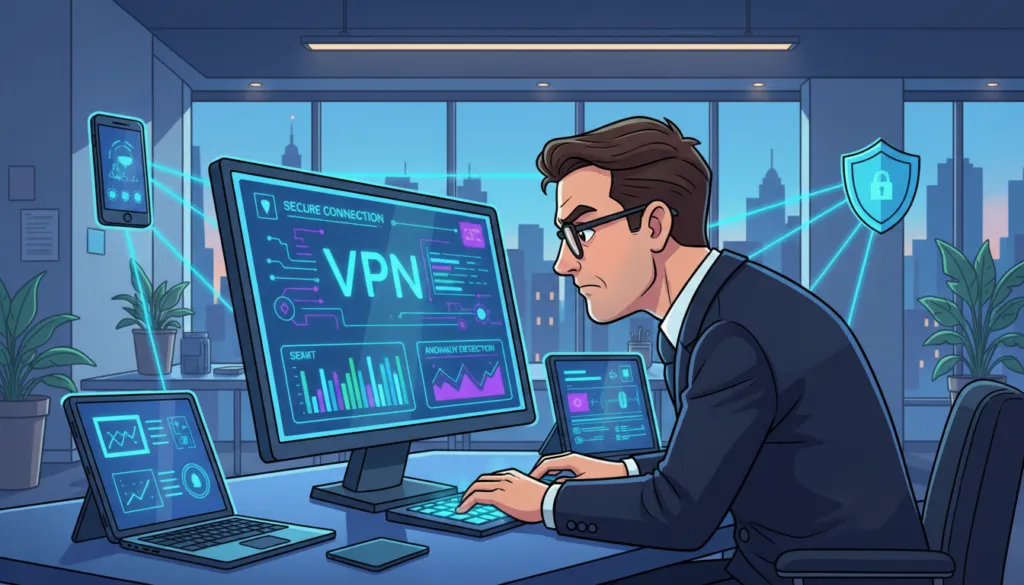
VPN Monitoring Signs
Being aware of vpn monitoring signs is key to online security. It helps us spot when our VPN might be at risk. By knowing these signs, we can keep our privacy and online activities safe.
What to Look For in Your VPN Connection
We should watch out for certain signs that might show vpn monitoring. Look out for:
- Unusual connectivity issues like frequent dropouts or trouble connecting to the VPN.
- Speeds that change a lot during use.
- Unexpected alerts or notifications from our VPN provider, which might signal a security breach.
- Changes in device or application behavior when connected to the VPN.
Common Misconceptions About VPNs
Many people think all VPNs offer complete anonymity. But, not all VPNs are the same. Knowing this helps us choose a reliable service. It also helps us spot fake security claims.
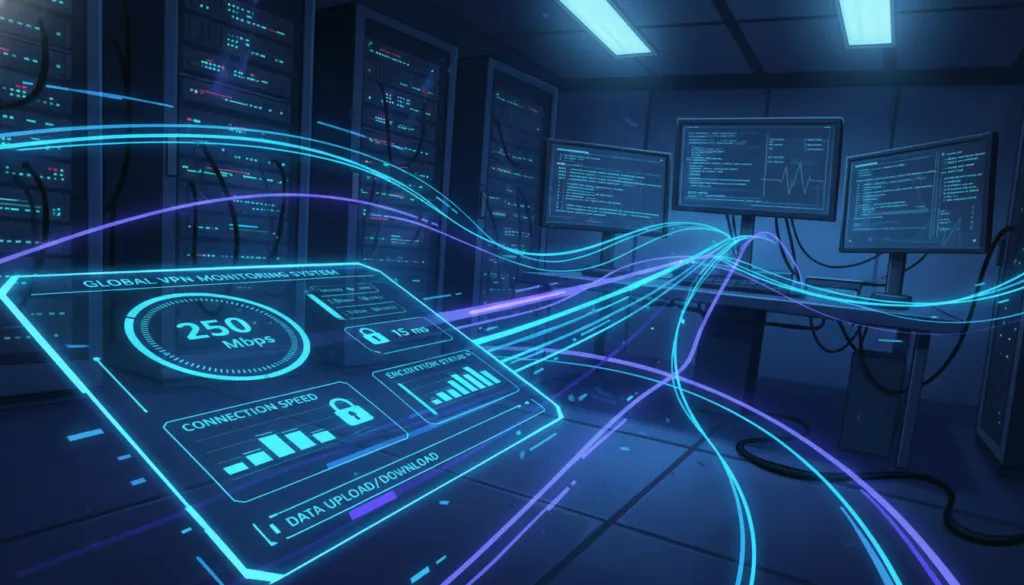
Sign 1: Unusual Connectivity Issues
Unusual connectivity problems can hint at threats to our VPN or proxy connections. These issues might show up as sudden drops in connection, slow load times, or frequent timeouts. These signs could mean our connection is being watched or disrupted.
It’s key to spot these signs to keep our online privacy safe.
Indicators of Network Disruptions
Here are signs that our VPN connection might be facing issues:
- Frequent disconnections: Sudden drops in the connection can indicate tampering.
- Intermittent connectivity: Consistent issues connecting to our VPN can signal monitoring attempts.
- Longer than usual load times: When accessing websites or applications, increased loading times might be related to external monitoring.
- Inconsistent performance: Fluctuations in speed can be a clear symptom of an underlying issue.
How Connectivity Problems Relate to Monitoring
Connectivity issues are often linked to VPN monitoring. Internet Service Providers (ISPs) might slow down our speed or mess with our connection to collect data. These actions can cause frequent network problems.
It’s important to watch out for these signs to protect our privacy online.
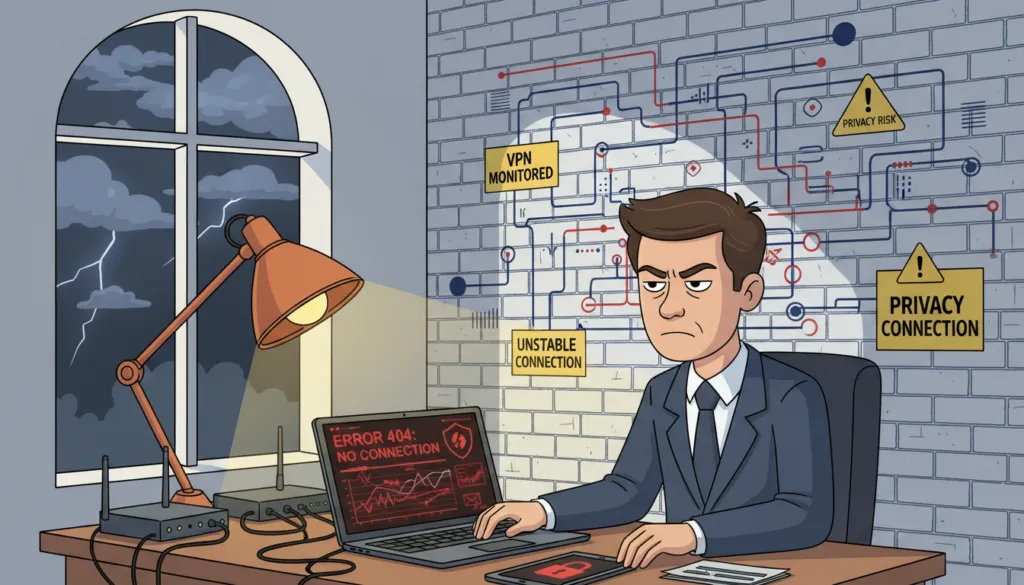
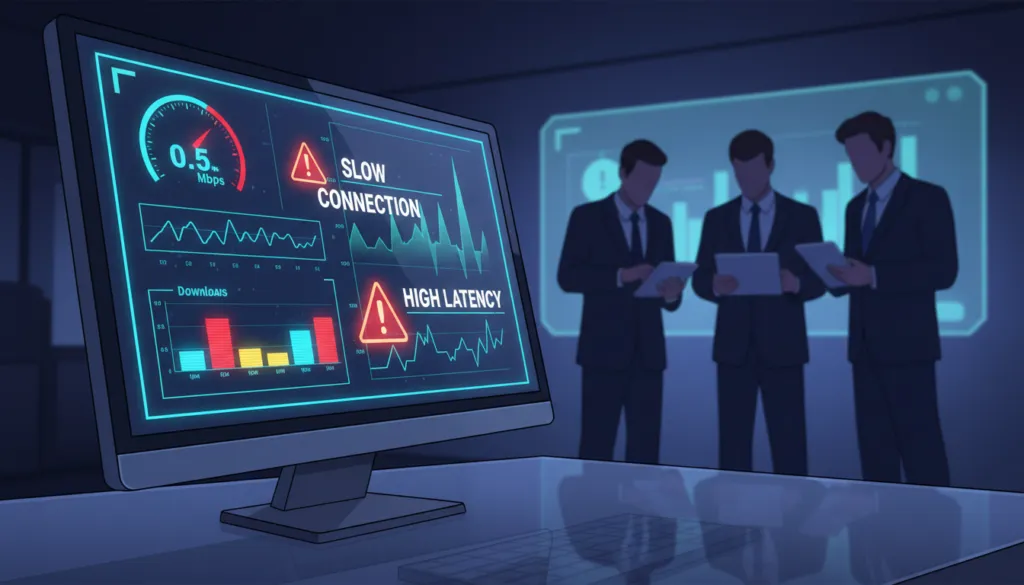
Sign 2: Slow Internet Speeds
Slow internet speeds while using a VPN can be a big worry. It might mean someone is monitoring your online activities. Finding out why speeds are slow is key to understanding our online experience.
Reasons Behind Reduced Speed
Several things can make internet speeds slow when using a VPN. Too much traffic on a server can cause congestion. This makes it hard to keep a stable connection.
The bandwidth from the VPN service might not be enough for us. This can lead to slow performance. Also, third-party monitoring could use up bandwidth, causing connection issues.
How Monitoring Can Impact Your Bandwidth
Monitoring can really affect our bandwidth. When data is checked, it takes longer to process. This slows down our browsing speeds.
Many VPN monitoring signs show our connection is being analyzed. This makes our internet use less efficient. We might struggle to navigate online resources smoothly.
Sign 3: Inconsistent IP Address Changes
VPNs change our IP addresses often to keep us private. This is key for staying safe online. If our IP address changes unexpectedly, it might mean our VPN is being tracked.
Watching our IP address changes helps us know if our VPN is working right. If our VPN gives us IP addresses from places we don’t visit, it’s a red flag. This could mean our VPN is being monitored.
Experts say a good VPN should keep our IP address the same unless we ask for a change. Checking our connection data regularly helps spot any security issues.
Sign 4: Alerts from Your VPN Provider
Getting alerts from our VPN providers is a key sign of possible issues. These messages might talk about strange login attempts, changes in VPN settings, or security problems. Knowing about these alerts helps us stay alert against vpn monitoring signs.
Types of Alerts You Might Receive
VPN providers often send out alerts like:
- Unusual Login Attempts: Warnings about someone trying to get into our account from places we don’t know.
- VPN Settings Changes: Alerts about changes to important settings, which could mean someone’s trying to get in without permission.
- Security Incidents: Messages about system breaches or weaknesses found.
These alerts are part of the vpn monitoring detection techniques. They help us spot threats early on.
How to Respond to Provider Notifications
When we get alerts from our VPN provider, acting fast is key. Here’s what to do:
- Look over the alert details to get what’s going on.
- Update our password and turn on two-factor authentication, if it’s an option.
- Reach out to customer support for help or more info.
- Keep an eye on our account for any more odd activities.
By taking these steps, we can better protect our privacy and keep our online world safe.
Recognizing VPN Monitoring Techniques
It’s crucial to know how to spot vpn monitoring to protect our online privacy. There are many ways to track and analyze our internet use. One method is Deep Packet Inspection (DPI), which checks data packets in networks. This can reveal personal info.
Learning from cybersecurity experts like Kaspersky and Norton helps us understand these tactics. Knowing about surveillance methods helps us choose better VPNs. This way, we can stay safe from unwanted monitoring.
Best Practices to Ensure Your Privacy
Keeping our online privacy safe needs us to be careful and make smart choices. If we think someone is watching us online, we should act fast to protect our information. Using the best VPN practices can really help keep our online activities private and secure.
Steps to Take When You Suspect Monitoring
- Switch to a different server: Choosing a less busy server can lower the risk of being watched.
- Clear browsing history and cache: This removes any signs of what we’ve done online.
- Review VPN settings: Make sure our VPN is set up right for the best privacy.
- Consider changing VPN providers: If problems keep happening, it might be time for a new VPN.
Choosing a Reliable VPN Provider
Finding a good VPN provider is key to keeping our online privacy safe. We should look for providers that promise not to log our activities. Also, features like encryption, kill switches, and strong security are important for a trustworthy VPN.
| Feature | Importance |
|---|---|
| No-Logs Policy | Protects user data and activities |
| Strong Encryption | Secures data from unauthorized access |
| Killer Switch | Prevents data leaks during connection drops |
| Multi-Device Support | Allows us to protect various devices |
By following these VPN best practices and picking a reliable VPN provider, we can handle the challenges of online privacy and security better.
Conclusion
It’s important to know the signs of VPN or proxy monitoring for our online safety. Look out for odd connection problems, slow internet, and changes in IP addresses. Also, watch for alerts from your VPN provider.
These signs warn us of possible dangers to our privacy online. By knowing these signs, we can protect ourselves better.
Privacy is key in our digital world today. We must keep our personal info safe while online. Choosing trusted VPN services is a big step in protecting our digital lives.
By understanding these signs and valuing our privacy, we can keep our online activities safe. Let’s learn and use the right tools to keep our online world private and secure.
FAQ
What are the signs of VPN monitoring?
Signs of VPN monitoring include unusual connectivity issues and frequent disconnections. Slow internet speeds and inconsistent IP address changes are also signs. Alerts from your VPN provider are another indicator. Recognizing these signs helps protect our online privacy.
How can we detect if our VPN is being monitored?
To detect VPN monitoring, watch for connection stability and possible dropouts. Look for any unusual internet behavior. Also, check reliable cybersecurity reports for signs like Deep Packet Inspection (DPI).
Are there specific VPN monitoring indicators we should look for?
Yes, look for sudden internet speed slowdowns and erratic IP address changes. Receiving notifications about unusual login attempts is also a sign. These signs suggest our VPN might be monitored.
What techniques are often used in VPN monitoring?
Common monitoring techniques include traffic analysis and Deep Packet Inspection (DPI). Logging user data is another method. Knowing these tactics helps us spot potential VPN vulnerabilities.
How can we respond to alerts from our VPN provider?
If you get alerts about unusual login attempts or setting changes, take them seriously. Follow the security steps your VPN service suggests. This might mean changing passwords or adjusting your connection settings.
What best practices can we adopt to ensure our privacy?
To protect your online privacy, pick a reputable VPN with a no-logs policy. Switch servers if you think you’re being monitored. Also, regularly clear your browser history and cache.